How to Prepare for an Author Interview: Research, Questions and Etiquette
A practical guide to preparing for an author interview: reading the backlist, writing open questions,...

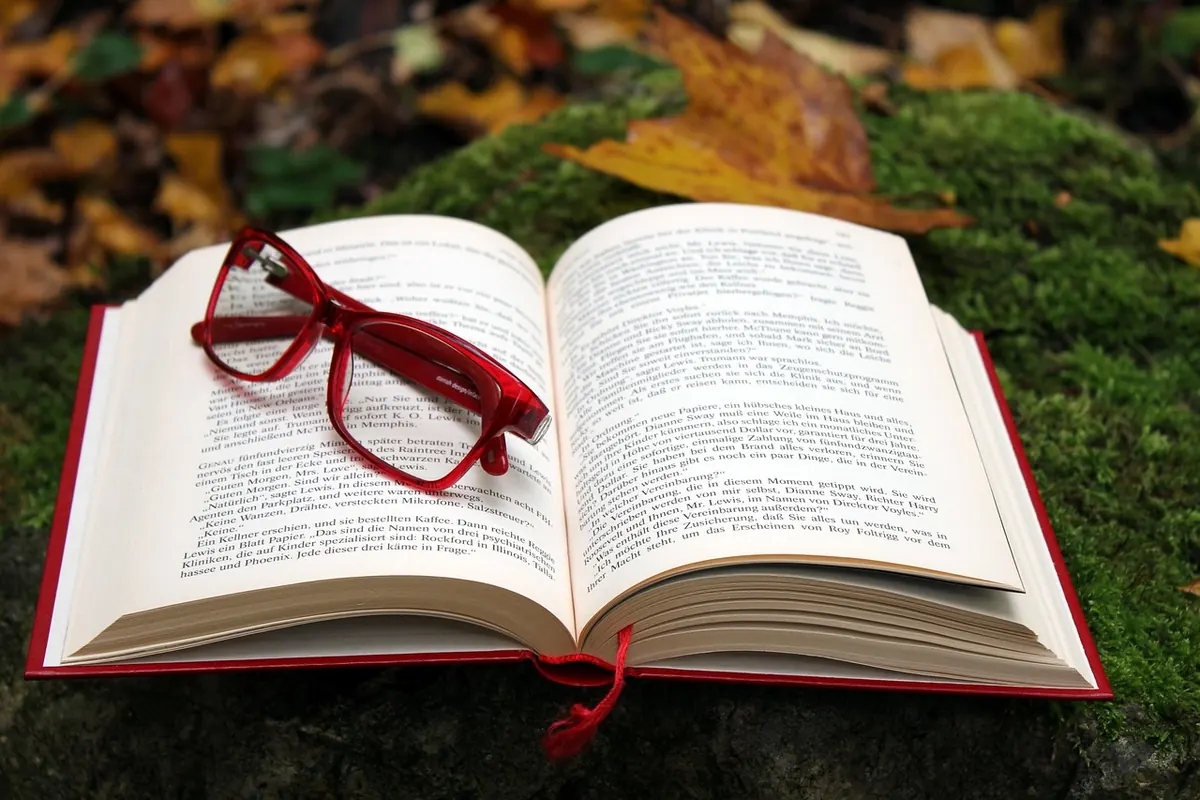
Autumn is the best reading season, and not only because the evenings grow long enough to justify abandoning everything else after supper. The light goes soft and grey, the house starts to smell faintly of damp coats, and a four-hundred-page novel stops looking like homework and starts looking like a treat. The only real work is matching the book to the evening you are actually having.
What follows are ten books that earn their place between October and December, grouped by the kind of night they suit. Length and comfort matter as much as genre here, so each pick comes with a note on how much energy it asks of you.
Cosy is not a genre. It is a set of conditions, and they vary from reader to reader. A haunted house can be deeply comforting if the prose is warm enough; a gentle village comedy can be irritating if the mood is wrong. Before you choose anything, be honest about the evening ahead of you.
Ask three questions. How much attention have I got left tonight? Do I want to be soothed or unsettled? And how long do I want to stay in this world? A reader who wants to be unsettled at eleven at night should choose a ghost story, not a thousand-page epic. There is no moral failing in picking the easier book.
1. A Month in the Country by J.L. Carr. A First World War veteran arrives in a Yorkshire village in 1920 to uncover a medieval wall painting in the church, and very little else happens, in the best possible way. The setting is a hot summer, but read in October it feels like memory: elegiac, short, and quietly devastating in its final pages. Ideal for the week you cannot face a plot.
2. Miss Buncle's Book by D.E. Stevenson. Published in 1934 and reissued by Persephone, this is the story of a woman with dwindling dividends who writes a novel about her own village to make ends meet. The neighbours recognise themselves, and the mild revenge that follows is very funny and rather sharp about human vanity. Undemanding without being silly.
3. The Remains of the Day by Kazuo Ishiguro. Stevens, a butler, motors through the West Country in the 1950s, reflecting on a life spent in service to a house and an employer that did not deserve him. Nothing is hurried; everything accumulates. Be warned that the comfort here is in the restraint of the prose rather than the ending, which is quietly heartbreaking.
4. Rebecca by Daphne du Maurier. Manderley, damp rhododendrons, an unnamed new wife, and a dead first wife who will not stay dead. It is gripping enough to keep you up, which is not strictly cosy behaviour, but the atmosphere is unbeatable. Read it in a warm room with the curtains shut.
5. The Little Stranger by Sarah Waters. Post-war Warwickshire, a grand house in decline, and a country doctor who cannot quite leave the family alone. The dread builds slowly, and the novel is at least as interested in class and money as it is in anything supernatural. Perfect for readers who like their ghost stories dry and ambiguous.
6. Collected Ghost Stories by M.R. James. The Cambridge scholar wrote these to be read aloud at Christmas, but the season of early darkness suits them just as well. Expect antiquarians, manuscripts, and something unpleasant beneath the bedclothes. Take them one a night. Do not take the last one upstairs.
7. Possession by A.S. Byatt. Two modern scholars discover a hidden correspondence between a Victorian poet and a reclusive woman writer, and the book moves between their research and the letters themselves. It won the Booker Prize in 1990 and it is demanding, but the detective structure pulls you forward. A good choice for the reader who wants November to disappear.
8. Jonathan Strange & Mr Norrell by Susanna Clarke. England during the Napoleonic Wars, with practical magic, quarrelling magicians, and footnotes that are genuinely worth reading. It runs to roughly a thousand pages, so commit properly and let it be slow. The dry wit keeps the whole thing buoyant.
9. 84 Charing Cross Road by Helene Hanff. Twenty years of letters between a struggling New York writer and the staff of a London bookshop. It takes an evening to read, makes most people cry in a good way, and is the finest argument for buying second-hand books I know. Give it to a friend in November.
10. The Living Mountain by Nan Shepherd. Written in the 1940s and published in 1977, this is Shepherd's account of the Cairngorms, and it has no route marches or summits in it. She writes about water, light, granite and cold with extraordinary calm. Read a chapter a night and you will sleep better.
A little planning goes a long way. Choose one long book for weekends and two short ones for the evenings when you have ten minutes and a low battery. Keep something
Photo: 5598375 / Pixabay
A practical guide to preparing for an author interview: reading the backlist, writing open questions,...
Blurbs, prize stickers and glowing reviews all promise more than they deliver. Seven practical questions...
A practical guide to choosing non-fiction you will actually finish, covering memoir, history, science and...